

Limb Differences
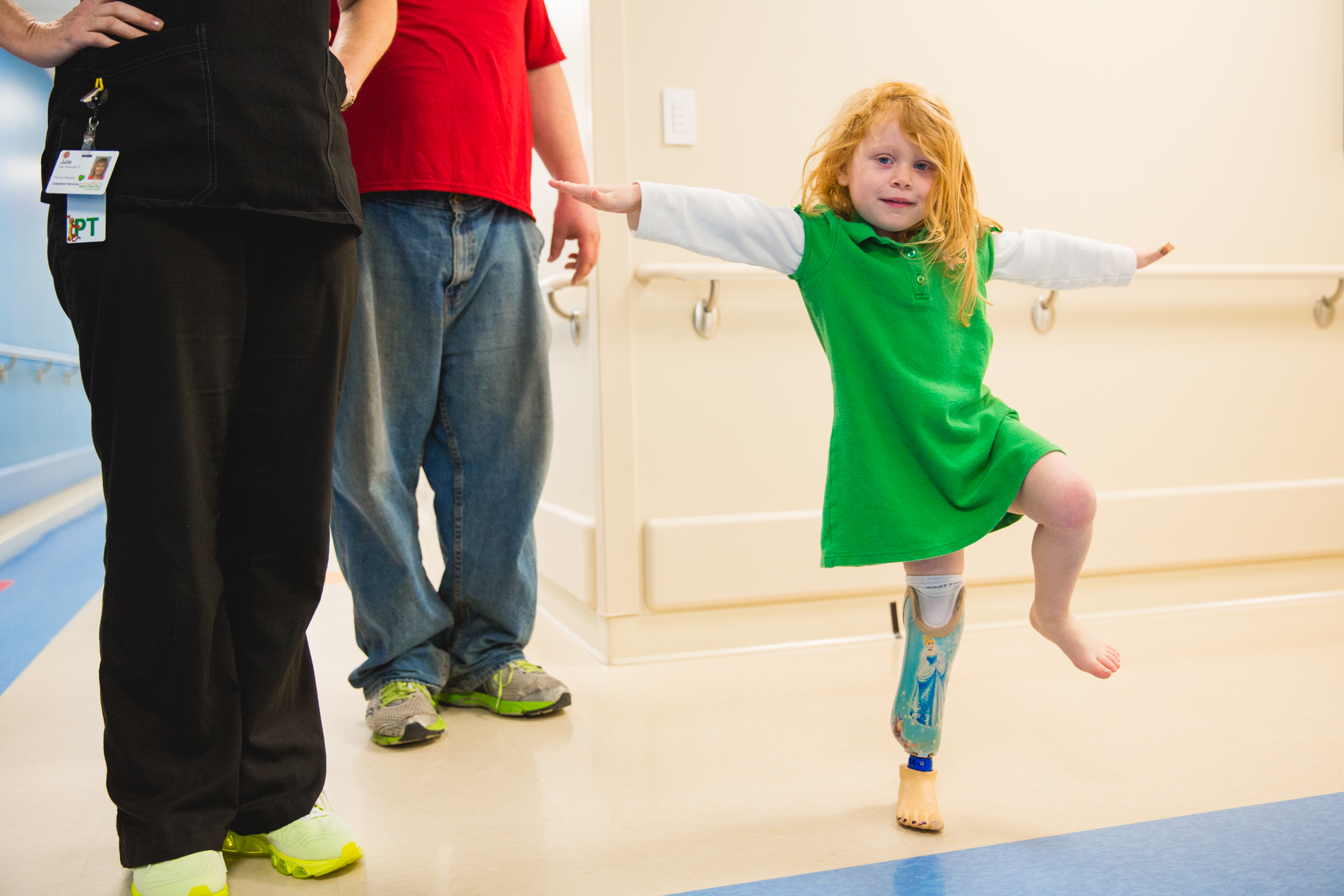
Why Mary Free Bed Kids?
As a CARF-Accredited Pediatric Inpatient Rehabilitation Program, we provide expert, family-centered care designed to support the best possible recovery outcomes. Rehabilitation is essential for kids with a limb difference, and research consistently shows that beginning specialized care early can significantly improve a child’s progress.
Our accredited programs, seasoned clinical teams, and compassionate approach ensure that children and families receive the highest standard of support throughout their rehabilitation journey.


Mary Free Bed Rehabilitation Hospital holds a number of special accreditations from the Commission on Accreditation of Rehabilitation Facilities International (CARF). This voluntary but rigorous accreditation process is based on specific and comprehensive standards ensuring the highest-quality rehabilitation.
CARF is an independent organization dedicated to providing reliable information to help patients and families make informed health care decisions. Consumers and medical professionals collaborate to develop the leading-edge standards by which providers are measured.
Center for Limb Differences
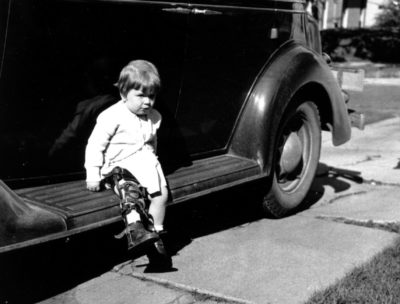
The Center for Limb Differences at Mary Free Bed Kids specializes in caring for children and teens with congenital or acquired limb differences. Established in 1946 as the nation’s first pediatric amputee clinic, our program has spent decades helping kids build confidence, mobility and independence.
Our team provides comprehensive care, support and education for children from birth through age 18. We even offer prenatal consultations for families preparing for a baby diagnosed with a limb difference.
Since its founding by physicians Charles Frantz and George Aiken, our program has led national innovation in pediatric orthopedic and prosthetic care. Today, our specialists—Dr. Michael Forness and Dr. Lisa Maskill—continue that legacy with advanced surgical, rehabilitative and prosthetic treatments for children with all types of limb differences.
At Mary Free Bed Kids, we’re not just treating differences—we’re helping children discover their strength.
Conditions We Treat
Congenital Limb Differences (Present at Birth):
- Proximal femoral focal deficiency (PFFD)
- Congenital short femur
- Fibular or tibial hemimelia
- Absence or hypoplasia of the radius, ulna, or humerus
- Amelia / Phocomelia
- Foot and hand differences
- Radial club hand
- Arthrogryposis
- Caudal regression /lumbosacral agenesis
Limb Differences Associated with Syndromes:
- Thrombocytopenia & Absent Radius (TAR) Syndrome
- Cornelia de Lange Syndrome
- Poland Syndrome
- Holt-Oram Syndrome
- VATER / VACTERL Association
Acquired Limb Loss or Differences:
- Cancer
- Vascular conditions
- Accidents or trauma
- Disease
- Post–limb salvage procedures
Why Choose Mary Free Bed Kids
For nearly eight decades, Mary Free Bed’s Center for Limb Differences has been shaping the future of pediatric limb rehabilitation. Families choose us because we offer:
- A nationally recognized, child-centered approach
- Comprehensive orthopedic and prosthetic expertise
- Seamless collaboration between physicians and therapists
- Advanced technology and motion analysis labs
- Emotional and family-centered support at every stage.
At Mary Free Bed Kids, we’re proud to celebrate every milestone—from first fittings to first steps.
Your Experience at the Center for Limb Differences
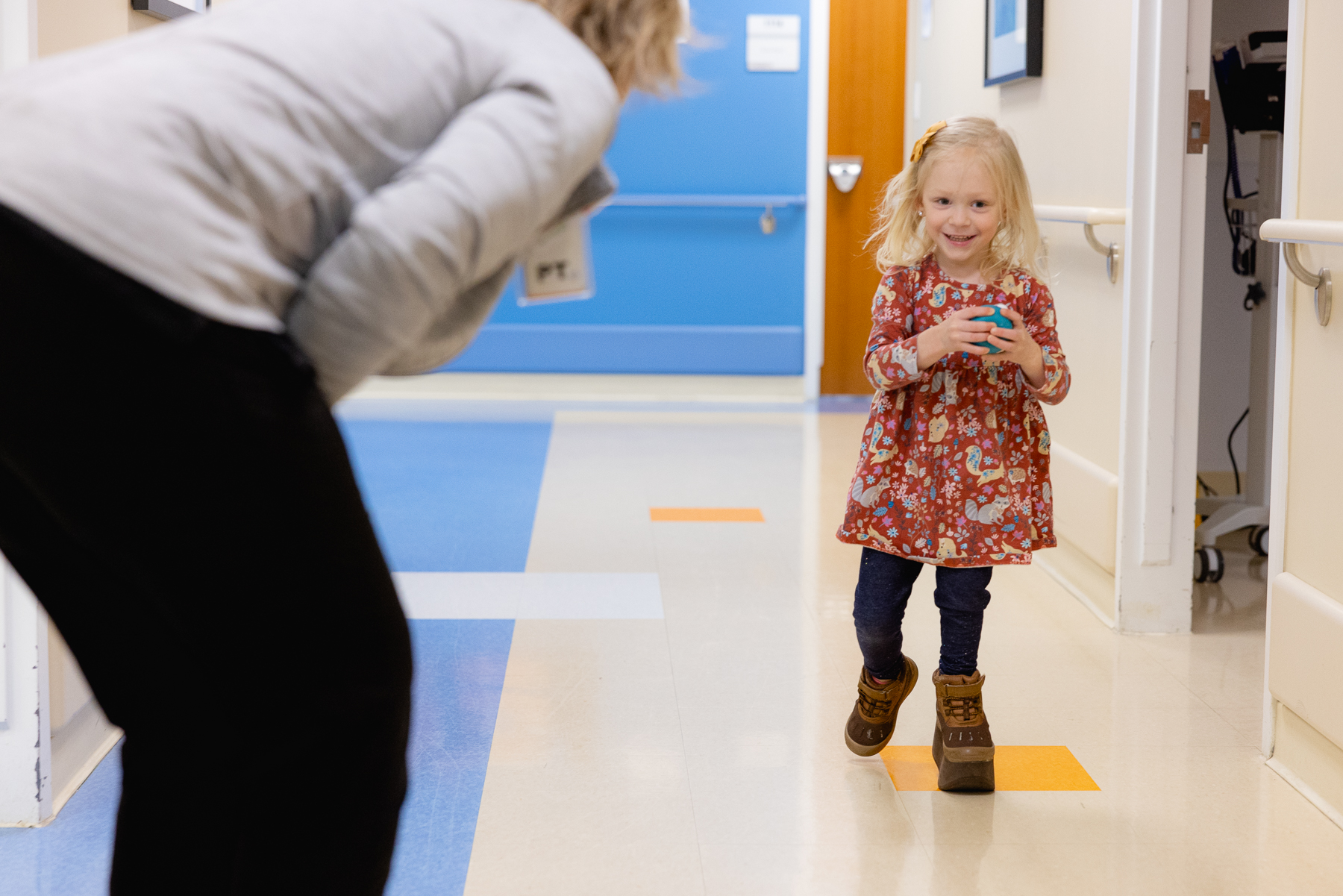
Every child’s care plan is as unique as their story. We develop individualized treatment programs for congenital amputations, syndromes, acquired amputations, limb length discrepancies and limb salvage procedures. Our coordinated approach combines:
- Medical care
- Therapy
- Orthotic and prosthetic support
- Community care and connection
Your Experience at the Center for Limb Differences
Every child’s care plan is as unique as their story. We develop individualized treatment programs for congenital amputations, syndromes, acquired amputations, limb length discrepancies and limb salvage procedures. Our coordinated approach combines:
- Medical care
- Therapy
- Orthotic and prosthetic support
- Community care and connection
Your Experience at the Center for Limb Differences
Every child’s care plan is as unique as their story. We develop individualized treatment programs for congenital amputations, syndromes, acquired amputations, limb length discrepancies and limb salvage procedures. Our coordinated approach combines:
- Medical care
- Therapy
- Orthotic and prosthetic support
- Community care and connection
Your Experience at the Center for Limb Differences
Every child’s care plan is as unique as their story. We develop individualized treatment programs for congenital amputations, syndromes, acquired amputations, limb length discrepancies and limb salvage procedures. Our coordinated approach combines:
- Medical care
- Therapy
- Orthotic and prosthetic support
- Community care and connection
Your Experience at the Center for Limb Differences
Every child’s care plan is as unique as their story. We develop individualized treatment programs for congenital amputations, syndromes, acquired amputations, limb length discrepancies and limb salvage procedures. Our coordinated approach combines:
- Medical care
- Therapy
- Orthotic and prosthetic support
- Community care and connection
Your Experience at the Center for Limb Differences
Every child’s care plan is as unique as their story. We develop individualized treatment programs for congenital amputations, syndromes, acquired amputations, limb length discrepancies and limb salvage procedures. Our coordinated approach combines:
- Medical care
- Therapy
- Orthotic and prosthetic support
- Community care and connection
Your Experience at the Center for Limb Differences
Every child’s care plan is as unique as their story. We develop individualized treatment programs for congenital amputations, syndromes, acquired amputations, limb length discrepancies and limb salvage procedures. Our coordinated approach combines:
- Medical care
- Therapy
- Orthotic and prosthetic support
- Community care and connection
Customized Treatment
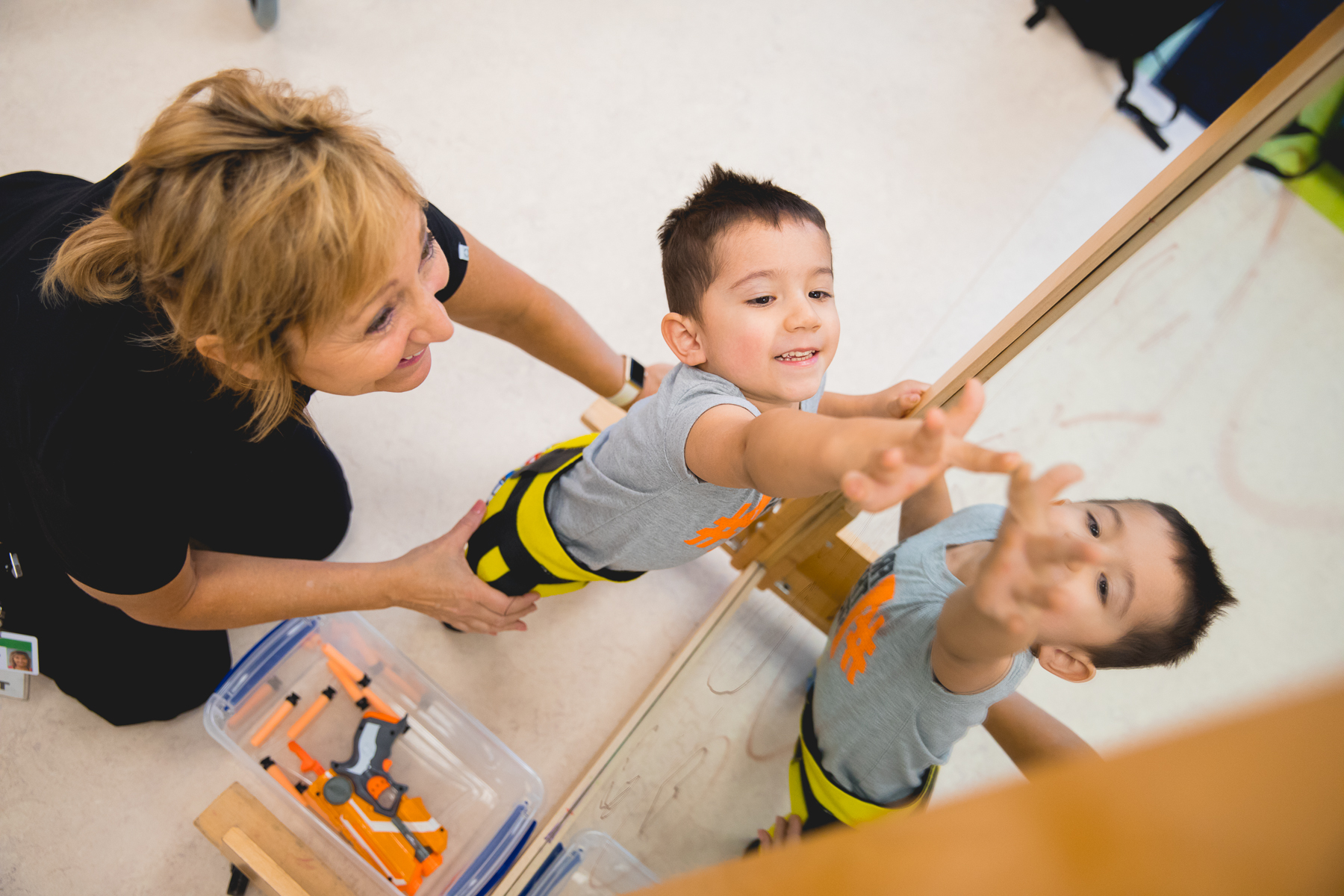
Treatment plans are crafted to meet the unique needs of each patient, including young people with a broad range of congenital amputations and syndromes, acquired amputations and those undergoing frame treatment for limb lengthening or angular correction and limb salvage. We develop and coordinate programs to be utilized by local therapists and agencies in the patient’s home community which is especially important when patients come from a distance.
Customized Treatment
Treatment plans are crafted to meet the unique needs of each patient, including young people with a broad range of congenital amputations and syndromes, acquired amputations and those undergoing frame treatment for limb lengthening or angular correction and limb salvage. We develop and coordinate programs to be utilized by local therapists and agencies in the patient’s home community which is especially important when patients come from a distance.
Customized Treatment
Treatment plans are crafted to meet the unique needs of each patient, including young people with a broad range of congenital amputations and syndromes, acquired amputations and those undergoing frame treatment for limb lengthening or angular correction and limb salvage. We develop and coordinate programs to be utilized by local therapists and agencies in the patient’s home community which is especially important when patients come from a distance.
Customized Treatment
Treatment plans are crafted to meet the unique needs of each patient, including young people with a broad range of congenital amputations and syndromes, acquired amputations and those undergoing frame treatment for limb lengthening or angular correction and limb salvage. We develop and coordinate programs to be utilized by local therapists and agencies in the patient’s home community which is especially important when patients come from a distance.
Customized Treatment
Treatment plans are crafted to meet the unique needs of each patient, including young people with a broad range of congenital amputations and syndromes, acquired amputations and those undergoing frame treatment for limb lengthening or angular correction and limb salvage. We develop and coordinate programs to be utilized by local therapists and agencies in the patient’s home community which is especially important when patients come from a distance.
Customized Treatment
Treatment plans are crafted to meet the unique needs of each patient, including young people with a broad range of congenital amputations and syndromes, acquired amputations and those undergoing frame treatment for limb lengthening or angular correction and limb salvage. We develop and coordinate programs to be utilized by local therapists and agencies in the patient’s home community which is especially important when patients come from a distance.
Customized Treatment
Treatment plans are crafted to meet the unique needs of each patient, including young people with a broad range of congenital amputations and syndromes, acquired amputations and those undergoing frame treatment for limb lengthening or angular correction and limb salvage. We develop and coordinate programs to be utilized by local therapists and agencies in the patient’s home community which is especially important when patients come from a distance.
Taking the First Steps
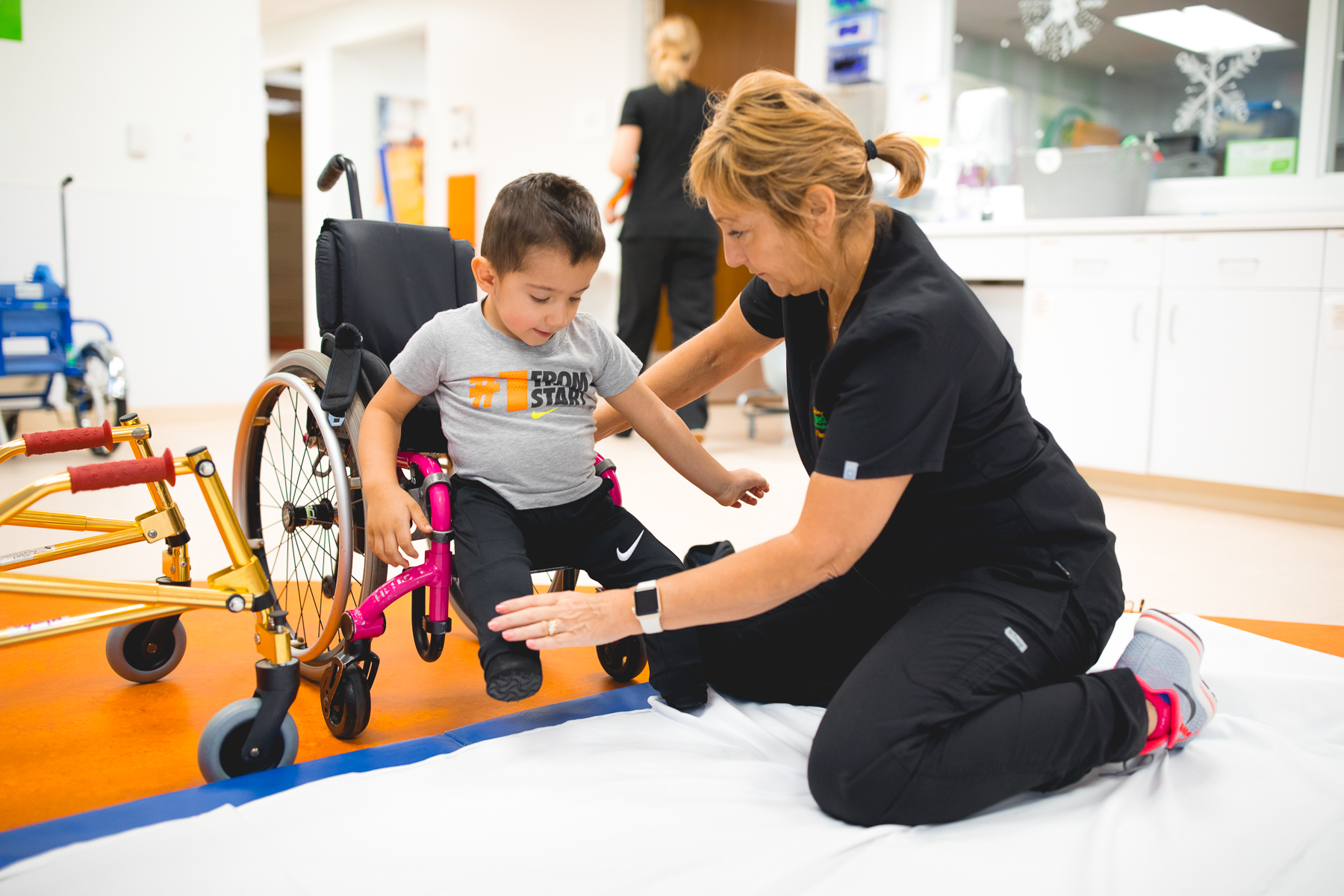
An evaluation should be made as soon as possible after your child’s birth or amputation. We can discuss a treatment plan and provide information about resources and other support services available to your child and family. Our team also can provide second opinions.
Taking the First Steps
An evaluation should be made as soon as possible after your child’s birth or amputation. We can discuss a treatment plan and provide information about resources and other support services available to your child and family. Our team also can provide second opinions.
Taking the First Steps
An evaluation should be made as soon as possible after your child’s birth or amputation. We can discuss a treatment plan and provide information about resources and other support services available to your child and family. Our team also can provide second opinions.
Taking the First Steps
An evaluation should be made as soon as possible after your child’s birth or amputation. We can discuss a treatment plan and provide information about resources and other support services available to your child and family. Our team also can provide second opinions.
Taking the First Steps
An evaluation should be made as soon as possible after your child’s birth or amputation. We can discuss a treatment plan and provide information about resources and other support services available to your child and family. Our team also can provide second opinions.
Taking the First Steps
An evaluation should be made as soon as possible after your child’s birth or amputation. We can discuss a treatment plan and provide information about resources and other support services available to your child and family. Our team also can provide second opinions.
Taking the First Steps
An evaluation should be made as soon as possible after your child’s birth or amputation. We can discuss a treatment plan and provide information about resources and other support services available to your child and family. Our team also can provide second opinions.
What to Expect
Patients generally visit the center two to three times a year. Your child’s schedule depends on circumstances unique to him or her. We’ll assess your child at each visit on things like orthopedic condition, growth and developmental needs.
Our services include:
- Medical management and surgical care
- Therapy and functional training
- Orthotic and prosthetic fittings through Mary Free Bed Orthotics & Prosthetics + Bionics
- Motion analysis using advanced gait technology to study how your child walks and moves
What to Expect
Patients generally visit the center two to three times a year. Your child’s schedule depends on circumstances unique to him or her. We’ll assess your child at each visit on things like orthopedic condition, growth and developmental needs.
Our services include:
- Medical management and surgical care
- Therapy and functional training
- Orthotic and prosthetic fittings through Mary Free Bed Orthotics & Prosthetics + Bionics
- Motion analysis using advanced gait technology to study how your child walks and moves
What to Expect
Patients generally visit the center two to three times a year. Your child’s schedule depends on circumstances unique to him or her. We’ll assess your child at each visit on things like orthopedic condition, growth and developmental needs.
Our services include:
- Medical management and surgical care
- Therapy and functional training
- Orthotic and prosthetic fittings through Mary Free Bed Orthotics & Prosthetics + Bionics
- Motion analysis using advanced gait technology to study how your child walks and moves
What to Expect
Patients generally visit the center two to three times a year. Your child’s schedule depends on circumstances unique to him or her. We’ll assess your child at each visit on things like orthopedic condition, growth and developmental needs.
Our services include:
- Medical management and surgical care
- Therapy and functional training
- Orthotic and prosthetic fittings through Mary Free Bed Orthotics & Prosthetics + Bionics
- Motion analysis using advanced gait technology to study how your child walks and moves
What to Expect
Patients generally visit the center two to three times a year. Your child’s schedule depends on circumstances unique to him or her. We’ll assess your child at each visit on things like orthopedic condition, growth and developmental needs.
Our services include:
- Medical management and surgical care
- Therapy and functional training
- Orthotic and prosthetic fittings through Mary Free Bed Orthotics & Prosthetics + Bionics
- Motion analysis using advanced gait technology to study how your child walks and moves
What to Expect
Patients generally visit the center two to three times a year. Your child’s schedule depends on circumstances unique to him or her. We’ll assess your child at each visit on things like orthopedic condition, growth and developmental needs.
Our services include:
- Medical management and surgical care
- Therapy and functional training
- Orthotic and prosthetic fittings through Mary Free Bed Orthotics & Prosthetics + Bionics
- Motion analysis using advanced gait technology to study how your child walks and moves
What to Expect
Patients generally visit the center two to three times a year. Your child’s schedule depends on circumstances unique to him or her. We’ll assess your child at each visit on things like orthopedic condition, growth and developmental needs.
Our services include:
- Medical management and surgical care
- Therapy and functional training
- Orthotic and prosthetic fittings through Mary Free Bed Orthotics & Prosthetics + Bionics
- Motion analysis using advanced gait technology to study how your child walks and moves
Who We Serve
Young patients come to us for a wide variety of conditions, including:
• Proximal femoral focal deficiency (PFFD)
• Severe limb length differences
• Congenital short femur
• Fibular hemimelia
• Tibial hemimelia
• Absence or hypoplasia of the radius, ulna
• Humeral deficiencies
• Amelia/Phocomelia
• Foot differences and hand differences
• Radial club hand
• Arthrogryposis
• Congenital short femur
• Caudal regression/Lumbosacral agenesisLimb differences associated with syndromes:
• Severe limb length differences
• Congenital short femur
• Fibular hemimelia
• Tibial hemimelia
• Absence or hypoplasia of the radius, ulna
• Humeral deficiencies
• Amelia/Phocomelia
• Foot differences and hand differences
• Radial club hand
• Arthrogryposis
• Congenital short femur
• Caudal regression/Lumbosacral agenesis
Limb differences associated with syndromes:
• Thrombocytopenia & absent radius (TAR)
• Cornelia de Lange
• Poland
• Holt-Oram
• Vertebral anomalies, anal atresia, cardiac defects, tracheoesophageal fistula and/or esophageal atresia, renal & radial anomalies and limb defects (VATER/VACTERL)
• Cornelia de Lange
• Poland
• Holt-Oram
• Vertebral anomalies, anal atresia, cardiac defects, tracheoesophageal fistula and/or esophageal atresia, renal & radial anomalies and limb defects (VATER/VACTERL)
Amputations due to:
• Cancer
• Vascular condition
• Accident
• Disease
• Post limb-salvage procedures
• Vascular condition
• Accident
• Disease
• Post limb-salvage procedures
Who We Serve
Young patients come to us for a wide variety of conditions, including:
Congenital limb differences (occurring at birth):
• Proximal femoral focal deficiency (PFFD)
• Severe limb length differences
• Congenital short femur
• Fibular hemimelia
• Tibial hemimelia
• Absence or hypoplasia of the radius, ulna
• Humeral deficiencies
• Amelia/Phocomelia
• Foot differences and hand differences
• Radial club hand
• Arthrogryposis
• Congenital short femur
• Caudal regression/Lumbosacral agenesisLimb differences associated with syndromes:
• Severe limb length differences
• Congenital short femur
• Fibular hemimelia
• Tibial hemimelia
• Absence or hypoplasia of the radius, ulna
• Humeral deficiencies
• Amelia/Phocomelia
• Foot differences and hand differences
• Radial club hand
• Arthrogryposis
• Congenital short femur
• Caudal regression/Lumbosacral agenesis
Limb differences associated with syndromes:
• Thrombocytopenia & absent radius (TAR)
• Cornelia de Lange
• Poland
• Holt-Oram
• Vertebral anomalies, anal atresia, cardiac defects, tracheoesophageal fistula and/or esophageal atresia, renal & radial anomalies and limb defects (VATER/VACTERL)
• Cornelia de Lange
• Poland
• Holt-Oram
• Vertebral anomalies, anal atresia, cardiac defects, tracheoesophageal fistula and/or esophageal atresia, renal & radial anomalies and limb defects (VATER/VACTERL)
Amputations due to:
• Cancer
• Vascular condition
• Accident
• Disease
• Post limb-salvage procedures
• Vascular condition
• Accident
• Disease
• Post limb-salvage procedures
Who We Serve
Young patients come to us for a wide variety of conditions, including:
Congenital limb differences (occurring at birth):
• Proximal femoral focal deficiency (PFFD)
• Severe limb length differences
• Congenital short femur
• Fibular hemimelia
• Tibial hemimelia
• Absence or hypoplasia of the radius, ulna
• Humeral deficiencies
• Amelia/Phocomelia
• Foot differences and hand differences
• Radial club hand
• Arthrogryposis
• Congenital short femur
• Caudal regression/Lumbosacral agenesisLimb differences associated with syndromes:
• Severe limb length differences
• Congenital short femur
• Fibular hemimelia
• Tibial hemimelia
• Absence or hypoplasia of the radius, ulna
• Humeral deficiencies
• Amelia/Phocomelia
• Foot differences and hand differences
• Radial club hand
• Arthrogryposis
• Congenital short femur
• Caudal regression/Lumbosacral agenesis
Limb differences associated with syndromes:
• Thrombocytopenia & absent radius (TAR)
• Cornelia de Lange
• Poland
• Holt-Oram
• Vertebral anomalies, anal atresia, cardiac defects, tracheoesophageal fistula and/or esophageal atresia, renal & radial anomalies and limb defects (VATER/VACTERL)
• Cornelia de Lange
• Poland
• Holt-Oram
• Vertebral anomalies, anal atresia, cardiac defects, tracheoesophageal fistula and/or esophageal atresia, renal & radial anomalies and limb defects (VATER/VACTERL)
Amputations due to:
• Cancer
• Vascular condition
• Accident
• Disease
• Post limb-salvage procedures
• Vascular condition
• Accident
• Disease
• Post limb-salvage procedures
Who We Serve
Young patients come to us for a wide variety of conditions, including:
Congenital limb differences (occurring at birth):
• Proximal femoral focal deficiency (PFFD)
• Severe limb length differences
• Congenital short femur
• Fibular hemimelia
• Tibial hemimelia
• Absence or hypoplasia of the radius, ulna
• Humeral deficiencies
• Amelia/Phocomelia
• Foot differences and hand differences
• Radial club hand
• Arthrogryposis
• Congenital short femur
• Caudal regression/Lumbosacral agenesisLimb differences associated with syndromes:
• Severe limb length differences
• Congenital short femur
• Fibular hemimelia
• Tibial hemimelia
• Absence or hypoplasia of the radius, ulna
• Humeral deficiencies
• Amelia/Phocomelia
• Foot differences and hand differences
• Radial club hand
• Arthrogryposis
• Congenital short femur
• Caudal regression/Lumbosacral agenesis
Limb differences associated with syndromes:
• Thrombocytopenia & absent radius (TAR)
• Cornelia de Lange
• Poland
• Holt-Oram
• Vertebral anomalies, anal atresia, cardiac defects, tracheoesophageal fistula and/or esophageal atresia, renal & radial anomalies and limb defects (VATER/VACTERL)
• Cornelia de Lange
• Poland
• Holt-Oram
• Vertebral anomalies, anal atresia, cardiac defects, tracheoesophageal fistula and/or esophageal atresia, renal & radial anomalies and limb defects (VATER/VACTERL)
Amputations due to:
• Cancer
• Vascular condition
• Accident
• Disease
• Post limb-salvage procedures
• Vascular condition
• Accident
• Disease
• Post limb-salvage procedures
Who We Serve
Young patients come to us for a wide variety of conditions, including:
Congenital limb differences (occurring at birth):
• Proximal femoral focal deficiency (PFFD)
• Severe limb length differences
• Congenital short femur
• Fibular hemimelia
• Tibial hemimelia
• Absence or hypoplasia of the radius, ulna
• Humeral deficiencies
• Amelia/Phocomelia
• Foot differences and hand differences
• Radial club hand
• Arthrogryposis
• Congenital short femur
• Caudal regression/Lumbosacral agenesisLimb differences associated with syndromes:
• Severe limb length differences
• Congenital short femur
• Fibular hemimelia
• Tibial hemimelia
• Absence or hypoplasia of the radius, ulna
• Humeral deficiencies
• Amelia/Phocomelia
• Foot differences and hand differences
• Radial club hand
• Arthrogryposis
• Congenital short femur
• Caudal regression/Lumbosacral agenesis
Limb differences associated with syndromes:
• Thrombocytopenia & absent radius (TAR)
• Cornelia de Lange
• Poland
• Holt-Oram
• Vertebral anomalies, anal atresia, cardiac defects, tracheoesophageal fistula and/or esophageal atresia, renal & radial anomalies and limb defects (VATER/VACTERL)
• Cornelia de Lange
• Poland
• Holt-Oram
• Vertebral anomalies, anal atresia, cardiac defects, tracheoesophageal fistula and/or esophageal atresia, renal & radial anomalies and limb defects (VATER/VACTERL)
Amputations due to:
• Cancer
• Vascular condition
• Accident
• Disease
• Post limb-salvage procedures
• Vascular condition
• Accident
• Disease
• Post limb-salvage procedures
Who We Serve
Young patients come to us for a wide variety of conditions, including:
Congenital limb differences (occurring at birth):
• Proximal femoral focal deficiency (PFFD)
• Severe limb length differences
• Congenital short femur
• Fibular hemimelia
• Tibial hemimelia
• Absence or hypoplasia of the radius, ulna
• Humeral deficiencies
• Amelia/Phocomelia
• Foot differences and hand differences
• Radial club hand
• Arthrogryposis
• Congenital short femur
• Caudal regression/Lumbosacral agenesisLimb differences associated with syndromes:
• Severe limb length differences
• Congenital short femur
• Fibular hemimelia
• Tibial hemimelia
• Absence or hypoplasia of the radius, ulna
• Humeral deficiencies
• Amelia/Phocomelia
• Foot differences and hand differences
• Radial club hand
• Arthrogryposis
• Congenital short femur
• Caudal regression/Lumbosacral agenesis
Limb differences associated with syndromes:
• Thrombocytopenia & absent radius (TAR)
• Cornelia de Lange
• Poland
• Holt-Oram
• Vertebral anomalies, anal atresia, cardiac defects, tracheoesophageal fistula and/or esophageal atresia, renal & radial anomalies and limb defects (VATER/VACTERL)
• Cornelia de Lange
• Poland
• Holt-Oram
• Vertebral anomalies, anal atresia, cardiac defects, tracheoesophageal fistula and/or esophageal atresia, renal & radial anomalies and limb defects (VATER/VACTERL)
Amputations due to:
• Cancer
• Vascular condition
• Accident
• Disease
• Post limb-salvage procedures
• Vascular condition
• Accident
• Disease
• Post limb-salvage procedures
Who We Serve
Young patients come to us for a wide variety of conditions, including:
Congenital limb differences (occurring at birth):
• Proximal femoral focal deficiency (PFFD)
• Severe limb length differences
• Congenital short femur
• Fibular hemimelia
• Tibial hemimelia
• Absence or hypoplasia of the radius, ulna
• Humeral deficiencies
• Amelia/Phocomelia
• Foot differences and hand differences
• Radial club hand
• Arthrogryposis
• Congenital short femur
• Caudal regression/Lumbosacral agenesisLimb differences associated with syndromes:
• Severe limb length differences
• Congenital short femur
• Fibular hemimelia
• Tibial hemimelia
• Absence or hypoplasia of the radius, ulna
• Humeral deficiencies
• Amelia/Phocomelia
• Foot differences and hand differences
• Radial club hand
• Arthrogryposis
• Congenital short femur
• Caudal regression/Lumbosacral agenesis
Limb differences associated with syndromes:
• Thrombocytopenia & absent radius (TAR)
• Cornelia de Lange
• Poland
• Holt-Oram
• Vertebral anomalies, anal atresia, cardiac defects, tracheoesophageal fistula and/or esophageal atresia, renal & radial anomalies and limb defects (VATER/VACTERL)
• Cornelia de Lange
• Poland
• Holt-Oram
• Vertebral anomalies, anal atresia, cardiac defects, tracheoesophageal fistula and/or esophageal atresia, renal & radial anomalies and limb defects (VATER/VACTERL)
Amputations due to:
• Cancer
• Vascular condition
• Accident
• Disease
• Post limb-salvage procedures
• Vascular condition
• Accident
• Disease
• Post limb-salvage procedures
Meet Your Team
The Center for Limb Differences is a founding and ongoing member of the Association of Children’s Prosthetic-Orthotic Clinics. As a patient, your child will be under the care of a comprehensive multidisciplinary team specializing in helping children with orthopedic conditions.
Team leadership is provided by physicians who specialize in orthopedics and treating children with limb differences:
- Yunna Sinskey, M.D., a physician specialized in physical medicine and rehabilitation (PM&R)
- Michael Forness, D.O., a pediatric orthopedic surgeon specializing in limb differences
- Lisa Maskill, M.D., a pediatric orthopedic surgeon and upper extremity orthopedic specialist in limb differences
- Physical therapist
- Occupational therapist
- Recreational therapist
- Registered nurse
- Psychosocial support
- Care manager
Orthopedic Surgeon:
- Performs orthopedic assessment
- Evaluates your child’s functioning and outlines his or her care plan
- Provides medical management regarding prosthesis and orthosis, surgery, therapy, adaptive devices and assistive technology
Pediatric Nurse:
- Performs pediatric assessment, monitors development and provides health promotion and disease prevention information
- Prepares your child and your family for surgery
- Coordinates care with local resources and other specialists
Care Manager:
- Provides diagnostic assessment and facilitates counseling to help your child and family with adjustment, problem solving and coping skills
- Coordinates peer support
- Coordinates local educational, vocational, recreational and financial resources
Physical Therapist:
Your child’s physical therapist coordinates your child’s wheelchair seating and adaptive needs. He or she also will coordinate physical therapy services in your community, providing resources as needed. Your child’s PT also assesses lower limb activities and provides input and/or training in support of:- Overall gross motor development
- Lower extremity prosthesis use/care/fit
- Walking/balance
- Strength/flexibility/coordination
- Wheelchair mobility
- Functional daily activities
Occupational Therapist:
Your child’s occupational therapist coordinates occupational therapy services in the local community and provides resources as needed. He or she also will recommend and assess the use of adaptive equipment and splints. Your child’s OT also assesses activities of daily living and provides input and/or training regarding:- Upper extremity function, strength and coordination
- Overall fine motor development
- Strength, flexibility and coordination of upper limb as it impacts activities of daily living
- Upper extremity prosthesis use, care and fit
- Dressing and self-care
- Feeding
- School
- Homemaking
Certified Prosthetist:
- Evaluates your child for the prescribed prosthesis (body part replacement-such as a limb)
- Designs and fabricates the appropriate prosthesis
- Manages your child’s treatment by fitting and adjusting the prosthesis for comfort
Certified Orthotist:
- Evaluates your child for the prescribed orthosis (assistive device for the body-such as an insole)
- Designs and fabricates the appropriate orthosis
- Manages your child’s treatment by fitting and adjusting the orthosis for comfort
Registered Dietitian:
- Evaluates your child’s nutritional needs
- Provides individualized medical nutrition therapy and education for your child and your family
Additional Team Members:
A pediatrician and psychologist may be part of your child’s treatment team on a referral basis. Our team’s goal is to maximize your child’s function and become as independent as possible in all areas of development. We assist with integration into school, recreational pursuits and transitioning into adulthood.Meet Your Team
The Center for Limb Differences is a founding and ongoing member of the Association of Children’s Prosthetic-Orthotic Clinics. As a patient, your child will be under the care of a comprehensive multidisciplinary team specializing in helping children with orthopedic conditions.
Team leadership is provided by physicians who specialize in orthopedics and treating children with limb differences:
- Yunna Sinskey, M.D., a physician specialized in physical medicine and rehabilitation (PM&R)
- Michael Forness, D.O., a pediatric orthopedic surgeon specializing in limb differences
- Lisa Maskill, M.D., a pediatric orthopedic surgeon and upper extremity orthopedic specialist in limb differences
- Physical therapist
- Occupational therapist
- Recreational therapist
- Registered nurse
- Psychosocial support
- Care manager
Orthopedic Surgeon:
- Performs orthopedic assessment
- Evaluates your child’s functioning and outlines his or her care plan
- Provides medical management regarding prosthesis and orthosis, surgery, therapy, adaptive devices and assistive technology
Pediatric Nurse:
- Performs pediatric assessment, monitors development and provides health promotion and disease prevention information
- Prepares your child and your family for surgery
- Coordinates care with local resources and other specialists
Care Manager:
- Provides diagnostic assessment and facilitates counseling to help your child and family with adjustment, problem solving and coping skills
- Coordinates peer support
- Coordinates local educational, vocational, recreational and financial resources
Physical Therapist:
Your child’s physical therapist coordinates your child’s wheelchair seating and adaptive needs. He or she also will coordinate physical therapy services in your community, providing resources as needed. Your child’s PT also assesses lower limb activities and provides input and/or training in support of:- Overall gross motor development
- Lower extremity prosthesis use/care/fit
- Walking/balance
- Strength/flexibility/coordination
- Wheelchair mobility
- Functional daily activities
Occupational Therapist:
Your child’s occupational therapist coordinates occupational therapy services in the local community and provides resources as needed. He or she also will recommend and assess the use of adaptive equipment and splints. Your child’s OT also assesses activities of daily living and provides input and/or training regarding:- Upper extremity function, strength and coordination
- Overall fine motor development
- Strength, flexibility and coordination of upper limb as it impacts activities of daily living
- Upper extremity prosthesis use, care and fit
- Dressing and self-care
- Feeding
- School
- Homemaking
Certified Prosthetist:
- Evaluates your child for the prescribed prosthesis (body part replacement-such as a limb)
- Designs and fabricates the appropriate prosthesis
- Manages your child’s treatment by fitting and adjusting the prosthesis for comfort
Certified Orthotist:
- Evaluates your child for the prescribed orthosis (assistive device for the body-such as an insole)
- Designs and fabricates the appropriate orthosis
- Manages your child’s treatment by fitting and adjusting the orthosis for comfort
Registered Dietitian:
- Evaluates your child’s nutritional needs
- Provides individualized medical nutrition therapy and education for your child and your family
Additional Team Members:
A pediatrician and psychologist may be part of your child’s treatment team on a referral basis. Our team’s goal is to maximize your child’s function and become as independent as possible in all areas of development. We assist with integration into school, recreational pursuits and transitioning into adulthood.Meet Your Team
The Center for Limb Differences is a founding and ongoing member of the Association of Children’s Prosthetic-Orthotic Clinics. As a patient, your child will be under the care of a comprehensive multidisciplinary team specializing in helping children with orthopedic conditions.
Team leadership is provided by physicians who specialize in orthopedics and treating children with limb differences:
- Yunna Sinskey, M.D., a physician specialized in physical medicine and rehabilitation (PM&R)
- Michael Forness, D.O., a pediatric orthopedic surgeon specializing in limb differences
- Lisa Maskill, M.D., a pediatric orthopedic surgeon and upper extremity orthopedic specialist in limb differences
- Physical therapist
- Occupational therapist
- Recreational therapist
- Registered nurse
- Psychosocial support
- Care manager
Orthopedic Surgeon:
- Performs orthopedic assessment
- Evaluates your child’s functioning and outlines his or her care plan
- Provides medical management regarding prosthesis and orthosis, surgery, therapy, adaptive devices and assistive technology
Pediatric Nurse:
- Performs pediatric assessment, monitors development and provides health promotion and disease prevention information
- Prepares your child and your family for surgery
- Coordinates care with local resources and other specialists
Care Manager:
- Provides diagnostic assessment and facilitates counseling to help your child and family with adjustment, problem solving and coping skills
- Coordinates peer support
- Coordinates local educational, vocational, recreational and financial resources
Physical Therapist:
Your child’s physical therapist coordinates your child’s wheelchair seating and adaptive needs. He or she also will coordinate physical therapy services in your community, providing resources as needed. Your child’s PT also assesses lower limb activities and provides input and/or training in support of:- Overall gross motor development
- Lower extremity prosthesis use/care/fit
- Walking/balance
- Strength/flexibility/coordination
- Wheelchair mobility
- Functional daily activities
Occupational Therapist:
Your child’s occupational therapist coordinates occupational therapy services in the local community and provides resources as needed. He or she also will recommend and assess the use of adaptive equipment and splints. Your child’s OT also assesses activities of daily living and provides input and/or training regarding:- Upper extremity function, strength and coordination
- Overall fine motor development
- Strength, flexibility and coordination of upper limb as it impacts activities of daily living
- Upper extremity prosthesis use, care and fit
- Dressing and self-care
- Feeding
- School
- Homemaking
Certified Prosthetist:
- Evaluates your child for the prescribed prosthesis (body part replacement-such as a limb)
- Designs and fabricates the appropriate prosthesis
- Manages your child’s treatment by fitting and adjusting the prosthesis for comfort
Certified Orthotist:
- Evaluates your child for the prescribed orthosis (assistive device for the body-such as an insole)
- Designs and fabricates the appropriate orthosis
- Manages your child’s treatment by fitting and adjusting the orthosis for comfort
Registered Dietitian:
- Evaluates your child’s nutritional needs
- Provides individualized medical nutrition therapy and education for your child and your family
Additional Team Members:
A pediatrician and psychologist may be part of your child’s treatment team on a referral basis. Our team’s goal is to maximize your child’s function and become as independent as possible in all areas of development. We assist with integration into school, recreational pursuits and transitioning into adulthood.Meet Your Team
The Center for Limb Differences is a founding and ongoing member of the Association of Children’s Prosthetic-Orthotic Clinics. As a patient, your child will be under the care of a comprehensive multidisciplinary team specializing in helping children with orthopedic conditions.
Team leadership is provided by physicians who specialize in orthopedics and treating children with limb differences:
- Yunna Sinskey, M.D., a physician specialized in physical medicine and rehabilitation (PM&R)
- Michael Forness, D.O., a pediatric orthopedic surgeon specializing in limb differences
- Lisa Maskill, M.D., a pediatric orthopedic surgeon and upper extremity orthopedic specialist in limb differences
- Physical therapist
- Occupational therapist
- Recreational therapist
- Registered nurse
- Psychosocial support
- Care manager
Orthopedic Surgeon:
- Performs orthopedic assessment
- Evaluates your child’s functioning and outlines his or her care plan
- Provides medical management regarding prosthesis and orthosis, surgery, therapy, adaptive devices and assistive technology
Pediatric Nurse:
- Performs pediatric assessment, monitors development and provides health promotion and disease prevention information
- Prepares your child and your family for surgery
- Coordinates care with local resources and other specialists
Care Manager:
- Provides diagnostic assessment and facilitates counseling to help your child and family with adjustment, problem solving and coping skills
- Coordinates peer support
- Coordinates local educational, vocational, recreational and financial resources
Physical Therapist:
Your child’s physical therapist coordinates your child’s wheelchair seating and adaptive needs. He or she also will coordinate physical therapy services in your community, providing resources as needed. Your child’s PT also assesses lower limb activities and provides input and/or training in support of:- Overall gross motor development
- Lower extremity prosthesis use/care/fit
- Walking/balance
- Strength/flexibility/coordination
- Wheelchair mobility
- Functional daily activities
Occupational Therapist:
Your child’s occupational therapist coordinates occupational therapy services in the local community and provides resources as needed. He or she also will recommend and assess the use of adaptive equipment and splints. Your child’s OT also assesses activities of daily living and provides input and/or training regarding:- Upper extremity function, strength and coordination
- Overall fine motor development
- Strength, flexibility and coordination of upper limb as it impacts activities of daily living
- Upper extremity prosthesis use, care and fit
- Dressing and self-care
- Feeding
- School
- Homemaking
Certified Prosthetist:
- Evaluates your child for the prescribed prosthesis (body part replacement-such as a limb)
- Designs and fabricates the appropriate prosthesis
- Manages your child’s treatment by fitting and adjusting the prosthesis for comfort
Certified Orthotist:
- Evaluates your child for the prescribed orthosis (assistive device for the body-such as an insole)
- Designs and fabricates the appropriate orthosis
- Manages your child’s treatment by fitting and adjusting the orthosis for comfort
Registered Dietitian:
- Evaluates your child’s nutritional needs
- Provides individualized medical nutrition therapy and education for your child and your family
Additional Team Members:
A pediatrician and psychologist may be part of your child’s treatment team on a referral basis. Our team’s goal is to maximize your child’s function and become as independent as possible in all areas of development. We assist with integration into school, recreational pursuits and transitioning into adulthood.Meet Your Team
The Center for Limb Differences is a founding and ongoing member of the Association of Children’s Prosthetic-Orthotic Clinics. As a patient, your child will be under the care of a comprehensive multidisciplinary team specializing in helping children with orthopedic conditions.
Team leadership is provided by physicians who specialize in orthopedics and treating children with limb differences:
- Yunna Sinskey, M.D., a physician specialized in physical medicine and rehabilitation (PM&R)
- Michael Forness, D.O., a pediatric orthopedic surgeon specializing in limb differences
- Lisa Maskill, M.D., a pediatric orthopedic surgeon and upper extremity orthopedic specialist in limb differences
- Physical therapist
- Occupational therapist
- Recreational therapist
- Registered nurse
- Psychosocial support
- Care manager
Orthopedic Surgeon:
- Performs orthopedic assessment
- Evaluates your child’s functioning and outlines his or her care plan
- Provides medical management regarding prosthesis and orthosis, surgery, therapy, adaptive devices and assistive technology
Pediatric Nurse:
- Performs pediatric assessment, monitors development and provides health promotion and disease prevention information
- Prepares your child and your family for surgery
- Coordinates care with local resources and other specialists
Care Manager:
- Provides diagnostic assessment and facilitates counseling to help your child and family with adjustment, problem solving and coping skills
- Coordinates peer support
- Coordinates local educational, vocational, recreational and financial resources
Physical Therapist:
Your child’s physical therapist coordinates your child’s wheelchair seating and adaptive needs. He or she also will coordinate physical therapy services in your community, providing resources as needed. Your child’s PT also assesses lower limb activities and provides input and/or training in support of:- Overall gross motor development
- Lower extremity prosthesis use/care/fit
- Walking/balance
- Strength/flexibility/coordination
- Wheelchair mobility
- Functional daily activities
Occupational Therapist:
Your child’s occupational therapist coordinates occupational therapy services in the local community and provides resources as needed. He or she also will recommend and assess the use of adaptive equipment and splints. Your child’s OT also assesses activities of daily living and provides input and/or training regarding:- Upper extremity function, strength and coordination
- Overall fine motor development
- Strength, flexibility and coordination of upper limb as it impacts activities of daily living
- Upper extremity prosthesis use, care and fit
- Dressing and self-care
- Feeding
- School
- Homemaking
Certified Prosthetist:
- Evaluates your child for the prescribed prosthesis (body part replacement-such as a limb)
- Designs and fabricates the appropriate prosthesis
- Manages your child’s treatment by fitting and adjusting the prosthesis for comfort
Certified Orthotist:
- Evaluates your child for the prescribed orthosis (assistive device for the body-such as an insole)
- Designs and fabricates the appropriate orthosis
- Manages your child’s treatment by fitting and adjusting the orthosis for comfort
Registered Dietitian:
- Evaluates your child’s nutritional needs
- Provides individualized medical nutrition therapy and education for your child and your family
Additional Team Members:
A pediatrician and psychologist may be part of your child’s treatment team on a referral basis. Our team’s goal is to maximize your child’s function and become as independent as possible in all areas of development. We assist with integration into school, recreational pursuits and transitioning into adulthood.Meet Your Team
The Center for Limb Differences is a founding and ongoing member of the Association of Children’s Prosthetic-Orthotic Clinics. As a patient, your child will be under the care of a comprehensive multidisciplinary team specializing in helping children with orthopedic conditions.
Team leadership is provided by physicians who specialize in orthopedics and treating children with limb differences:
- Yunna Sinskey, M.D., a physician specialized in physical medicine and rehabilitation (PM&R)
- Michael Forness, D.O., a pediatric orthopedic surgeon specializing in limb differences
- Lisa Maskill, M.D., a pediatric orthopedic surgeon and upper extremity orthopedic specialist in limb differences
- Physical therapist
- Occupational therapist
- Recreational therapist
- Registered nurse
- Psychosocial support
- Care manager
Orthopedic Surgeon:
- Performs orthopedic assessment
- Evaluates your child’s functioning and outlines his or her care plan
- Provides medical management regarding prosthesis and orthosis, surgery, therapy, adaptive devices and assistive technology
Pediatric Nurse:
- Performs pediatric assessment, monitors development and provides health promotion and disease prevention information
- Prepares your child and your family for surgery
- Coordinates care with local resources and other specialists
Care Manager:
- Provides diagnostic assessment and facilitates counseling to help your child and family with adjustment, problem solving and coping skills
- Coordinates peer support
- Coordinates local educational, vocational, recreational and financial resources
Physical Therapist:
Your child’s physical therapist coordinates your child’s wheelchair seating and adaptive needs. He or she also will coordinate physical therapy services in your community, providing resources as needed. Your child’s PT also assesses lower limb activities and provides input and/or training in support of:- Overall gross motor development
- Lower extremity prosthesis use/care/fit
- Walking/balance
- Strength/flexibility/coordination
- Wheelchair mobility
- Functional daily activities
Occupational Therapist:
Your child’s occupational therapist coordinates occupational therapy services in the local community and provides resources as needed. He or she also will recommend and assess the use of adaptive equipment and splints. Your child’s OT also assesses activities of daily living and provides input and/or training regarding:- Upper extremity function, strength and coordination
- Overall fine motor development
- Strength, flexibility and coordination of upper limb as it impacts activities of daily living
- Upper extremity prosthesis use, care and fit
- Dressing and self-care
- Feeding
- School
- Homemaking
Certified Prosthetist:
- Evaluates your child for the prescribed prosthesis (body part replacement-such as a limb)
- Designs and fabricates the appropriate prosthesis
- Manages your child’s treatment by fitting and adjusting the prosthesis for comfort
Certified Orthotist:
- Evaluates your child for the prescribed orthosis (assistive device for the body-such as an insole)
- Designs and fabricates the appropriate orthosis
- Manages your child’s treatment by fitting and adjusting the orthosis for comfort
Registered Dietitian:
- Evaluates your child’s nutritional needs
- Provides individualized medical nutrition therapy and education for your child and your family
Additional Team Members:
A pediatrician and psychologist may be part of your child’s treatment team on a referral basis. Our team’s goal is to maximize your child’s function and become as independent as possible in all areas of development. We assist with integration into school, recreational pursuits and transitioning into adulthood.Meet Your Team
The Center for Limb Differences is a founding and ongoing member of the Association of Children’s Prosthetic-Orthotic Clinics. As a patient, your child will be under the care of a comprehensive multidisciplinary team specializing in helping children with orthopedic conditions.
Team leadership is provided by physicians who specialize in orthopedics and treating children with limb differences:
- Yunna Sinskey, M.D., a physician specialized in physical medicine and rehabilitation (PM&R)
- Michael Forness, D.O., a pediatric orthopedic surgeon specializing in limb differences
- Lisa Maskill, M.D., a pediatric orthopedic surgeon and upper extremity orthopedic specialist in limb differences
- Physical therapist
- Occupational therapist
- Recreational therapist
- Registered nurse
- Psychosocial support
- Care manager
Orthopedic Surgeon:
- Performs orthopedic assessment
- Evaluates your child’s functioning and outlines his or her care plan
- Provides medical management regarding prosthesis and orthosis, surgery, therapy, adaptive devices and assistive technology
Pediatric Nurse:
- Performs pediatric assessment, monitors development and provides health promotion and disease prevention information
- Prepares your child and your family for surgery
- Coordinates care with local resources and other specialists
Care Manager:
- Provides diagnostic assessment and facilitates counseling to help your child and family with adjustment, problem solving and coping skills
- Coordinates peer support
- Coordinates local educational, vocational, recreational and financial resources
Physical Therapist:
Your child’s physical therapist coordinates your child’s wheelchair seating and adaptive needs. He or she also will coordinate physical therapy services in your community, providing resources as needed. Your child’s PT also assesses lower limb activities and provides input and/or training in support of:- Overall gross motor development
- Lower extremity prosthesis use/care/fit
- Walking/balance
- Strength/flexibility/coordination
- Wheelchair mobility
- Functional daily activities
Occupational Therapist:
Your child’s occupational therapist coordinates occupational therapy services in the local community and provides resources as needed. He or she also will recommend and assess the use of adaptive equipment and splints. Your child’s OT also assesses activities of daily living and provides input and/or training regarding:- Upper extremity function, strength and coordination
- Overall fine motor development
- Strength, flexibility and coordination of upper limb as it impacts activities of daily living
- Upper extremity prosthesis use, care and fit
- Dressing and self-care
- Feeding
- School
- Homemaking
Certified Prosthetist:
- Evaluates your child for the prescribed prosthesis (body part replacement-such as a limb)
- Designs and fabricates the appropriate prosthesis
- Manages your child’s treatment by fitting and adjusting the prosthesis for comfort
Certified Orthotist:
- Evaluates your child for the prescribed orthosis (assistive device for the body-such as an insole)
- Designs and fabricates the appropriate orthosis
- Manages your child’s treatment by fitting and adjusting the orthosis for comfort
Registered Dietitian:
- Evaluates your child’s nutritional needs
- Provides individualized medical nutrition therapy and education for your child and your family
Additional Team Members:
A pediatrician and psychologist may be part of your child’s treatment team on a referral basis. Our team’s goal is to maximize your child’s function and become as independent as possible in all areas of development. We assist with integration into school, recreational pursuits and transitioning into adulthood.Resources
CLD Handbooks
We’ve developed a series of handbooks as part of our commitment to education. Titles available for purchase include:- Children with Limb Differences (birth to 5 years)
- Children with Limb Differences (6 to 12 years)
- Adolescents with Limb Differences
- Children with Limb Differences: A Handbook for Teachers
- Children with Hand Differences: A Guide for Families
- Guia Para Familias de Ninos con Extremidades con Diferencias
- Your Personal Best (This is geared to young amputees for use under the guidance of physical therapists. The fun format offers several levels of exercises and guides the child through the healing process.)
Helpful Handouts
Below are handouts that provide positive strategies for children and teens who may cope with teasing or self-esteem challenges. Click on a title for a downloadable link.- Teasing Happens: How to Make Friends
- Teasing Happens: What To Do
- Teasing Happens: Tips For Teachers
- Teasing Happens: Tips For Parents
- Teasing: Books For Children
- Tips for Encouraging Self Esteem in Teens With Disabilities
Resources for Parents, Peers and More
- American Childhood Cancer Organization
- Amputee Coalition of America
- Amputee Coalition of America – Support Groups
- Association of Children’s Prosthetic-Orthotic Clinics
- Family Resource Center on Disabilities
- Federation for Children with Special Needs
Recreational and Camping Information
Camps:
Resources
CLD Handbooks
We’ve developed a series of handbooks as part of our commitment to education. Titles available for purchase include:- Children with Limb Differences (birth to 5 years)
- Children with Limb Differences (6 to 12 years)
- Adolescents with Limb Differences
- Children with Limb Differences: A Handbook for Teachers
- Children with Hand Differences: A Guide for Families
- Guia Para Familias de Ninos con Extremidades con Diferencias
- Your Personal Best (This is geared to young amputees for use under the guidance of physical therapists. The fun format offers several levels of exercises and guides the child through the healing process.)
Helpful Handouts
Below are handouts that provide positive strategies for children and teens who may cope with teasing or self-esteem challenges. Click on a title for a downloadable link.- Teasing Happens: How to Make Friends
- Teasing Happens: What To Do
- Teasing Happens: Tips For Teachers
- Teasing Happens: Tips For Parents
- Teasing: Books For Children
- Tips for Encouraging Self Esteem in Teens With Disabilities
Resources for Parents, Peers and More
- American Childhood Cancer Organization
- Amputee Coalition of America
- Amputee Coalition of America – Support Groups
- Association of Children’s Prosthetic-Orthotic Clinics
- Family Resource Center on Disabilities
- Federation for Children with Special Needs
Recreational and Camping Information
Camps:
Resources
CLD Handbooks
We’ve developed a series of handbooks as part of our commitment to education. Titles available for purchase include:- Children with Limb Differences (birth to 5 years)
- Children with Limb Differences (6 to 12 years)
- Adolescents with Limb Differences
- Children with Limb Differences: A Handbook for Teachers
- Children with Hand Differences: A Guide for Families
- Guia Para Familias de Ninos con Extremidades con Diferencias
- Your Personal Best (This is geared to young amputees for use under the guidance of physical therapists. The fun format offers several levels of exercises and guides the child through the healing process.)
Helpful Handouts
Below are handouts that provide positive strategies for children and teens who may cope with teasing or self-esteem challenges. Click on a title for a downloadable link.- Teasing Happens: How to Make Friends
- Teasing Happens: What To Do
- Teasing Happens: Tips For Teachers
- Teasing Happens: Tips For Parents
- Teasing: Books For Children
- Tips for Encouraging Self Esteem in Teens With Disabilities
Resources for Parents, Peers and More
- American Childhood Cancer Organization
- Amputee Coalition of America
- Amputee Coalition of America – Support Groups
- Association of Children’s Prosthetic-Orthotic Clinics
- Family Resource Center on Disabilities
- Federation for Children with Special Needs
Recreational and Camping Information
Camps:
Resources
CLD Handbooks
We’ve developed a series of handbooks as part of our commitment to education. Titles available for purchase include:- Children with Limb Differences (birth to 5 years)
- Children with Limb Differences (6 to 12 years)
- Adolescents with Limb Differences
- Children with Limb Differences: A Handbook for Teachers
- Children with Hand Differences: A Guide for Families
- Guia Para Familias de Ninos con Extremidades con Diferencias
- Your Personal Best (This is geared to young amputees for use under the guidance of physical therapists. The fun format offers several levels of exercises and guides the child through the healing process.)
Helpful Handouts
Below are handouts that provide positive strategies for children and teens who may cope with teasing or self-esteem challenges. Click on a title for a downloadable link.- Teasing Happens: How to Make Friends
- Teasing Happens: What To Do
- Teasing Happens: Tips For Teachers
- Teasing Happens: Tips For Parents
- Teasing: Books For Children
- Tips for Encouraging Self Esteem in Teens With Disabilities
Resources for Parents, Peers and More
- American Childhood Cancer Organization
- Amputee Coalition of America
- Amputee Coalition of America – Support Groups
- Association of Children’s Prosthetic-Orthotic Clinics
- Family Resource Center on Disabilities
- Federation for Children with Special Needs
Recreational and Camping Information
Camps:
Resources
CLD Handbooks
We’ve developed a series of handbooks as part of our commitment to education. Titles available for purchase include:- Children with Limb Differences (birth to 5 years)
- Children with Limb Differences (6 to 12 years)
- Adolescents with Limb Differences
- Children with Limb Differences: A Handbook for Teachers
- Children with Hand Differences: A Guide for Families
- Guia Para Familias de Ninos con Extremidades con Diferencias
- Your Personal Best (This is geared to young amputees for use under the guidance of physical therapists. The fun format offers several levels of exercises and guides the child through the healing process.)
Helpful Handouts
Below are handouts that provide positive strategies for children and teens who may cope with teasing or self-esteem challenges. Click on a title for a downloadable link.- Teasing Happens: How to Make Friends
- Teasing Happens: What To Do
- Teasing Happens: Tips For Teachers
- Teasing Happens: Tips For Parents
- Teasing: Books For Children
- Tips for Encouraging Self Esteem in Teens With Disabilities
Resources for Parents, Peers and More
- American Childhood Cancer Organization
- Amputee Coalition of America
- Amputee Coalition of America – Support Groups
- Association of Children’s Prosthetic-Orthotic Clinics
- Family Resource Center on Disabilities
- Federation for Children with Special Needs
Recreational and Camping Information
Camps:
Resources
CLD Handbooks
We’ve developed a series of handbooks as part of our commitment to education. Titles available for purchase include:- Children with Limb Differences (birth to 5 years)
- Children with Limb Differences (6 to 12 years)
- Adolescents with Limb Differences
- Children with Limb Differences: A Handbook for Teachers
- Children with Hand Differences: A Guide for Families
- Guia Para Familias de Ninos con Extremidades con Diferencias
- Your Personal Best (This is geared to young amputees for use under the guidance of physical therapists. The fun format offers several levels of exercises and guides the child through the healing process.)
Helpful Handouts
Below are handouts that provide positive strategies for children and teens who may cope with teasing or self-esteem challenges. Click on a title for a downloadable link.- Teasing Happens: How to Make Friends
- Teasing Happens: What To Do
- Teasing Happens: Tips For Teachers
- Teasing Happens: Tips For Parents
- Teasing: Books For Children
- Tips for Encouraging Self Esteem in Teens With Disabilities
Resources for Parents, Peers and More
- American Childhood Cancer Organization
- Amputee Coalition of America
- Amputee Coalition of America – Support Groups
- Association of Children’s Prosthetic-Orthotic Clinics
- Family Resource Center on Disabilities
- Federation for Children with Special Needs
Recreational and Camping Information
Camps:
Resources
CLD Handbooks
We’ve developed a series of handbooks as part of our commitment to education. Titles available for purchase include:- Children with Limb Differences (birth to 5 years)
- Children with Limb Differences (6 to 12 years)
- Adolescents with Limb Differences
- Children with Limb Differences: A Handbook for Teachers
- Children with Hand Differences: A Guide for Families
- Guia Para Familias de Ninos con Extremidades con Diferencias
- Your Personal Best (This is geared to young amputees for use under the guidance of physical therapists. The fun format offers several levels of exercises and guides the child through the healing process.)
Helpful Handouts
Below are handouts that provide positive strategies for children and teens who may cope with teasing or self-esteem challenges. Click on a title for a downloadable link.- Teasing Happens: How to Make Friends
- Teasing Happens: What To Do
- Teasing Happens: Tips For Teachers
- Teasing Happens: Tips For Parents
- Teasing: Books For Children
- Tips for Encouraging Self Esteem in Teens With Disabilities
Resources for Parents, Peers and More
- American Childhood Cancer Organization
- Amputee Coalition of America
- Amputee Coalition of America – Support Groups
- Association of Children’s Prosthetic-Orthotic Clinics
- Family Resource Center on Disabilities
- Federation for Children with Special Needs
Recreational and Camping Information
Camps:
Begin Your Child’s Journey
If your child has a congenital or acquired limb difference, we’re here to help. Together, we’ll help your child build confidence, independence, and strength for every step ahead.
Begin Your Child’s Journey
If your child has a congenital or acquired limb difference, we’re here to help. Together, we’ll help your child build confidence, independence, and strength for every step ahead.
Begin Your Child’s Journey
If your child has a congenital or acquired limb difference, we’re here to help. Together, we’ll help your child build confidence, independence, and strength for every step ahead.
Begin Your Child’s Journey
If your child has a congenital or acquired limb difference, we’re here to help. Together, we’ll help your child build confidence, independence, and strength for every step ahead.
Begin Your Child’s Journey
If your child has a congenital or acquired limb difference, we’re here to help. Together, we’ll help your child build confidence, independence, and strength for every step ahead.
Begin Your Child’s Journey
If your child has a congenital or acquired limb difference, we’re here to help. Together, we’ll help your child build confidence, independence, and strength for every step ahead.
Begin Your Child’s Journey
If your child has a congenital or acquired limb difference, we’re here to help. Together, we’ll help your child build confidence, independence, and strength for every step ahead.

Ready to Get Started With Mary Free Bed?
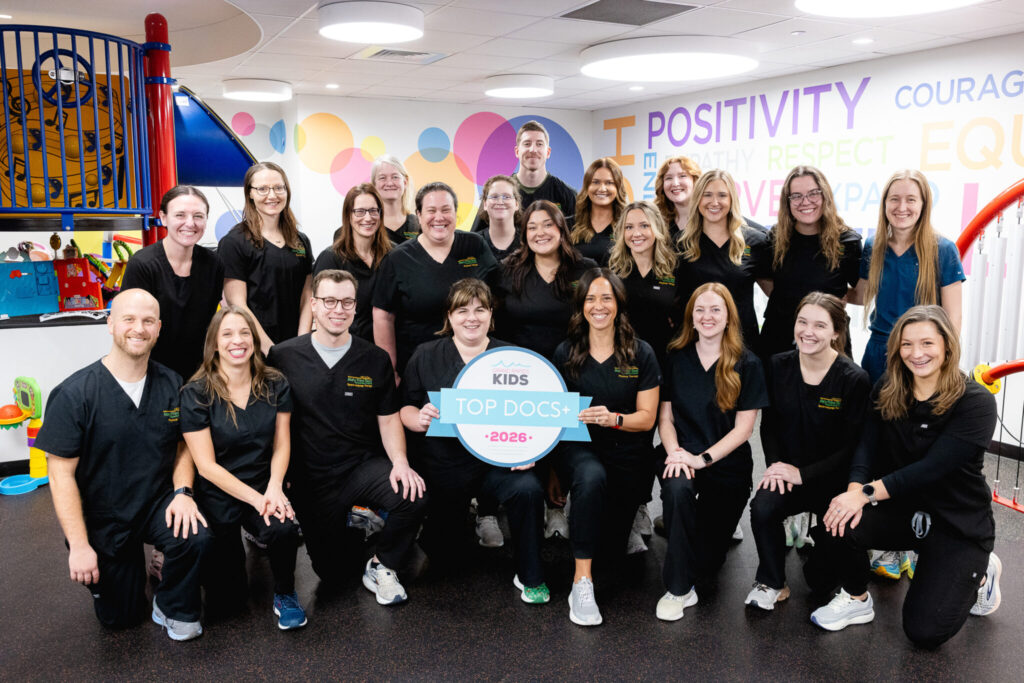
Wherever your child is on their rehabilitation journey, we’re here to help every step of the way. Our pediatric specialists are ready to listen, support and guide your family through recovery. Whether your child is just beginning treatment or continuing progress from earlier care, our team is committed to encouraging their growth, celebrating milestones and supporting every goal—big and small.
Our Locations
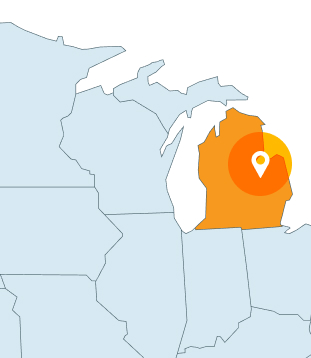
Great Lakes Bay Region
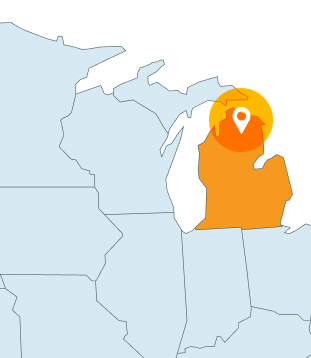
Northern Michigan
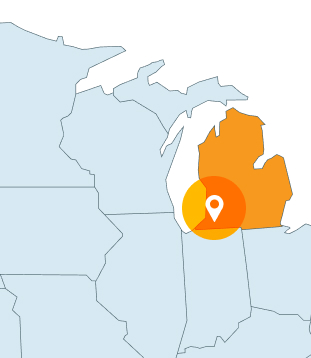
Southwest Michigan
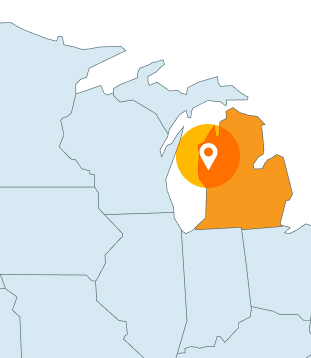
West Michigan
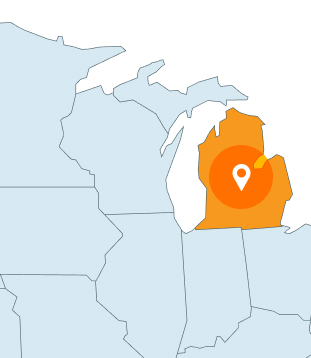
Mid-Michigan
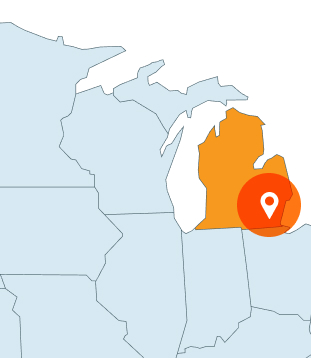
Southeast Michigan
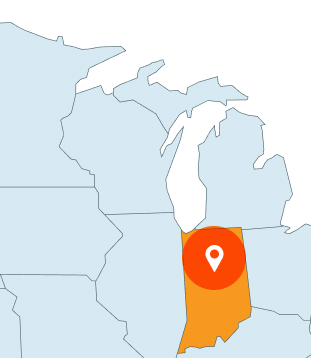
Indiana
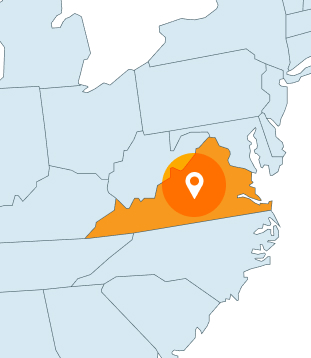
Virginia